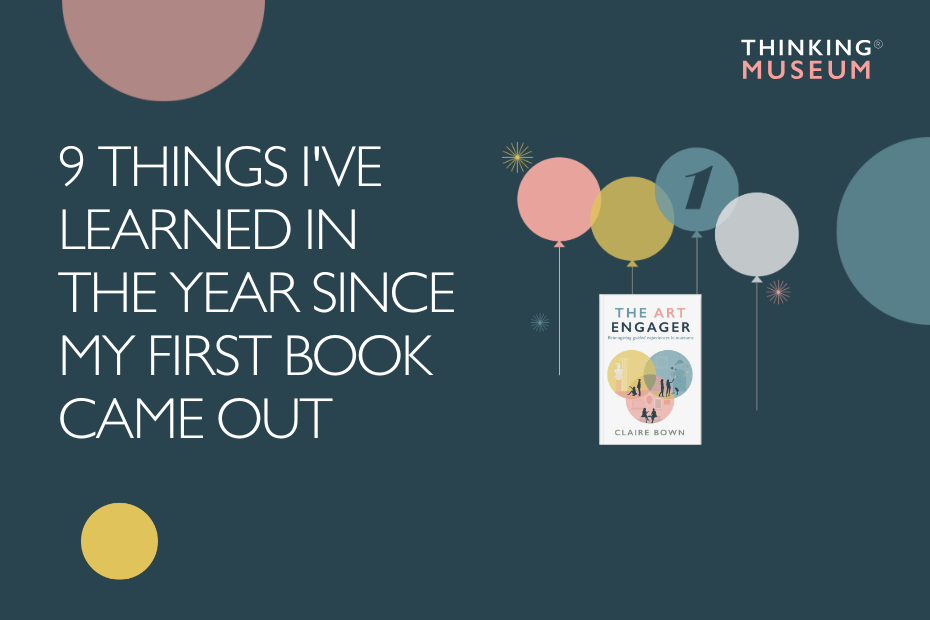
A year ago today, my first book The Art Engager: Reimagining Guided Experiences was published.
The Art Engager is a non-fiction book for museum educators, docents, and guides – people designing and facilitating inquiry-based, discussion-led experiences with groups in museums.
A very niche subject, in other words.
When you write about something this specific, you genuinely don’t know who will find it, whether it will resonate, or if anyone beyond your immediate circle will care.
I had hopes, of course, but no precedent to look to. There wasn’t anything else quite like it out there.
So here we are, one year later. The book has traveled further than I imagined, sold more copies than I ever expected, and taught me lessons I didn’t anticipate. Here’s what happened..
1. Sometimes the best thing you can do is wait
As I say in the book, I wanted to write this a decade ago, but my husband suggested that I wait. And he was right.
What I’ve published now is infused with more than a decade of experience working with the Thinking Museum® Approach. The approach itself has evolved significantly over that time, shaped by countless experiments, refinements, and experiences in museums. Sometimes the best thing you can do is let an idea mature.
2. Write the book you’re looking for (even if it’s 414 pages)
The book I eventually wrote is 414 pages (!). During the writing and editing process, I sometimes wondered if I was being too ambitious making it so comprehensive for a first book. But I wanted to create something genuinely useful – a handbook, not another book to sit gathering dust on a shelf.
Museum education is still a relatively young field. Academic books are crucial for building its theoretical foundations and establishing credibility.
But I found that there were a lack of practical resources that educators could actually put to work in programming with groups.
I wanted a book that a manager could use with their team, that someone could open on a Tuesday morning and apply that same afternoon in the galleries. The kind of book you’d keep within reach, not on a shelf. I looked for that book and couldn’t find it. So I wrote it.
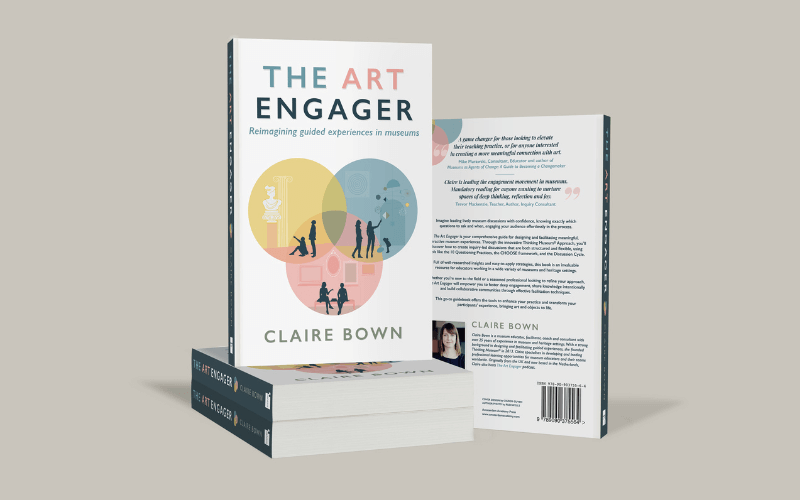
The Art Engager is both a guidebook and a toolkit for designing and facilitating meaningful, interactive museum experiences.
It explores the Thinking Museum® Approach in full – an approach I started developing back in 2011 when I discovered museum educators were struggling to lead inquiry-based experiences, and teachers weren’t getting what they wanted from museum programmes either.
The book is built on the 3 Foundations (observation and noticing, shared visual inquiry, and personal discovery) and 8 Practices (questioning, facilitation, multimodality, creating a community of collaboration, practice and coaching, reflective practice, intentional information, and deliberate design) of the Thinking Museum® Approach.
It’s split into two halves: the foundations – the why behind the approach – and the practices – the how. Throughout, you’ll find bite-sized insert with tips you can implement instantly, reflection questions, and exercises that challenge you to work beyond your comfort zone.
The Art Engager is grounded in research, while at the same time remaining practical and accessible. It’s readable, without sacrificing depth. And I hope you can hear my voice throughout.
3. Writing isn’t the hardest part
People think writing the book is the hardest part. For me, it wasn’t. Writing a book is far more than just organising your ideas – the ideas were never a problem, I’ve got lots of ideas.
It’s refining your thoughts, making everything join up together, finding the clearest way to communicate your experience, your thoughts, the ideas you’ve been working on.
The hardest parts for me came after – the editing, the design, the layout and the million other things to make it come alive, and then sharing it with the world.
4. Protect your writing time like it matters
I found that developing a consistent writing routine really helped.
Life has a way of filling every available moment with things that feel urgent – emails, meetings, endless things that demand immediate attention. Writing, which is important but rarely urgent, gets pushed to tomorrow unless you actively protect time for it.
I joined the London Writers’ Salon hour-long writing sprint every day during writing phases. Some days the writing flowed and I’d continue well past the hour. Other days, if I had meetings or the words weren’t coming, I’d move on to other work.
But starting at 9am, every single day, built the habit that carried me through to completing the first draft.
5. Get support
And I couldn’t have done this alone. Self-publishing gave me complete control and the freedom to make this exactly the book it needed to be, but I needed support.
I worked with Hannah Huber at Storyhouse Works (SHW) who kept me on schedule, and helped me keep the end in sight (and everything I needed to do to get there).
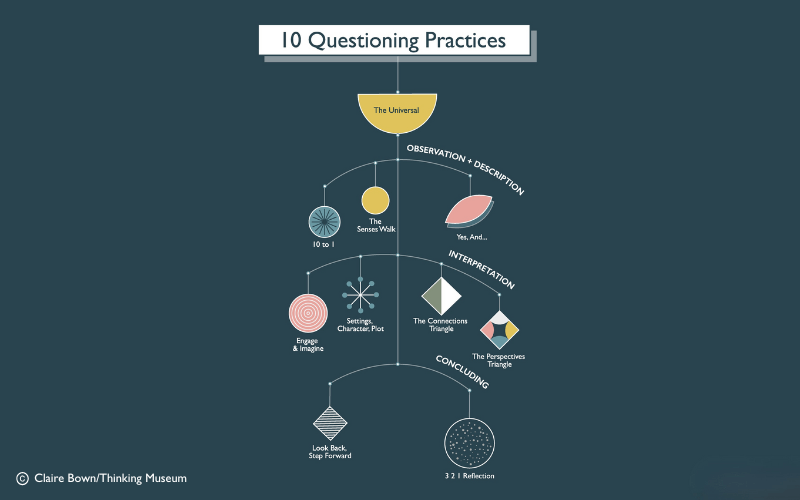
Through SHW, I also worked with Rebecca Blunden, who skilfully and gently strengthened the manuscript, Cigdem Guven who designed the beautiful cover and all the many illustrations (I particularly love the mid-century inspired mobile she created for the Questioning Practices), and Lisa Hall who handled the book’s layout with endless patience.
Together, they brought the book to life beautifully.
6. Go for the long tail
The Art Engager was released into the world on 13th October 2024
Putting it out there was both exciting and terrifying – you’ve worked on something for so long, and then suddenly it’s no longer just yours, it’s out there in the world.
Of course, I had beta readers and early reviewers from my peers who told me they loved the book, but I still had no idea what everyone else would think – whether they would buy it, whether it would resonate, whether all that work would matter to anyone beyond that small circle.
Imposter syndrome is relentless during publication – all those doubts surface at once.
As it turned out, The Art Engager found its readers.
Some books have a big launch and then sales drop off quickly. Others have what’s called a long tail – steady, consistent sales over time.
The Art Engager seems to be the latter and has sold consistently all year. People keep finding it, buying it, and – most importantly- using it.
7. Watch for the ripple effects
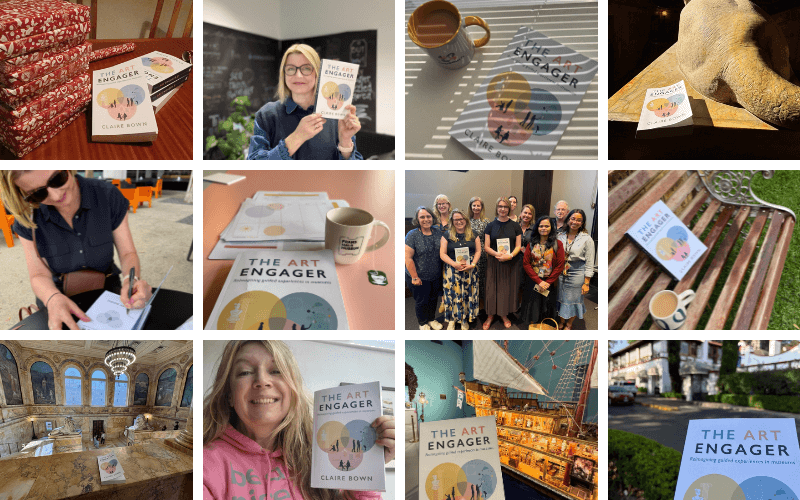
The feedback for The Art Engager has been wonderful. The book has received great reviews, and people write to me regularly telling me how it’s helping them – or their teams – in their practice. Lots of people have sent me photos of The Art Engager in its new homes all around the world – it’s reached really far and wide.
Museums are buying it in bulk for their teams – sometimes up to 100 copies at a time. Managers are using it for professional development with their teams. I’ve been doing lots of workshops and getting lots of speaking requests from exciting new places.
Book clubs are reading The Art Engager chapter by chapter. Museums are implementing the Thinking Museum® Approach.
It feels (dare I say it) that we’re building a movement here and that the book is just getting started.
I’m thrilled by this response. To see the book connecting with people and making a real difference in their practice is everything I hoped for.
The biggest joy is seeing The Art Engager being used the way I intended. I dreamed of seeing copies falling apart (hopefully not too quickly), marked with highlights, post-it notes, and annotations. I’ve seen photos and that’s happening 🙂
What drives this work is wanting museums to stay relevant and become more accessible. Museums hold extraordinary objects and collections. Through The Art Engager, I want to help anyone who wants to design and facilitate more engaging museum experiences – experiences that invite visitors to look closely, think deeply, and connect meaningfully.
8. Be gentle with yourself after publication
Looking back, I wouldn’t change much about how I’ve written and shared this book with the world.
But I think I would cut myself a bit more slack in that first month after publication.
It’s such a stressful time, always thinking you could be doing more to promote your book, when in actual fact you’ve already done a lot by writing and publishing it.
My husband just published his first novel (Human Software) and watching him go through it reminded me of that pressure. Perhaps we should be kinder to ourselves in those early weeks.
9. Let your first book breathe before starting the next
And what about the future? Well, there will be another book. I have so many ideas.
But I think writing your next book is a bit like buying a new house with a garden. You need to live with your first book for a while to see what comes up, what blooms, before you commit to the next. I’ve been itching to start, but I keep reminding myself to wait, to let this first book breathe.
But, maybe after a year, now is the time for book 2?
Watch this space for what happens!
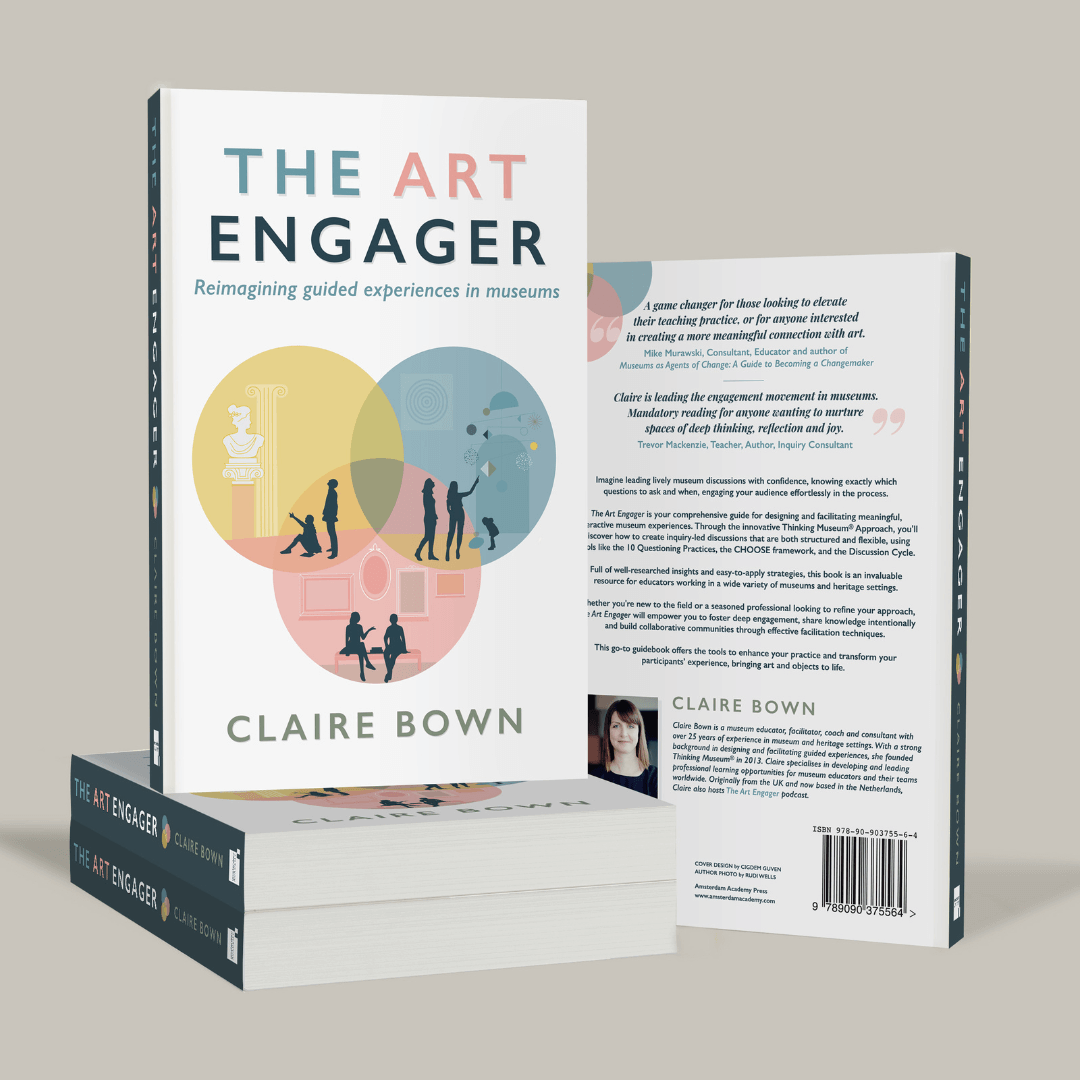
The Art Engager: Reimagining Guided Experiences in Museums
Whether you’re new to the field or a seasoned museum educator looking to refine your approach, The Art Engager is your go-to guidebook for creating the ultimate visitor experience.
Full of well-researched insights and easy-to-apply strategies, this book is an invaluable resource for educators working in a wide variety of museums and heritage settings.